


The ciliated gecko, known scientifically as Correlophus ciliatus, is a species of lizard originating from New Caledonia, an archipelago of islands in the South Pacific. Because of for its characteristic appearance, relatively gentle disposition and ease in... breeding, has become one of the most popular pet reptiles in the world. W In this article, we will take a closer look at the biology of this species and its basic principles rules of its care in terrarium conditions.
Natural Environment and Occurrence
In their natural environment, ciliated geckos inhabit the Nowa rainforests Caledonia. They are arboreal animals, spending most of their time on tree branches and bushes. Their habitats are characterized by high and moderate humidity temperatures. They are active mainly at night, hunting insects and other small invertebrates, a also by eating fruit and nectar.
Appearance and Characteristics
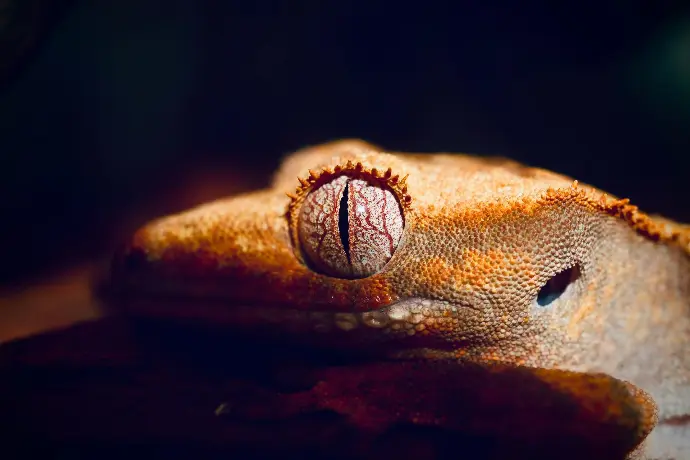
Ciliated geckos owe their name to their characteristic skin growths resembling eyelashes, which are located above the eyes and along the back up to the base of the tail. Adults usually reach a length of 15 to 25 centimeters, including their tail, which makes up much of their body. This tail is prehensile and helps them navigate the branches.
The color of ciliated geckos is very diverse. They come in many color varieties, from shades of brown, gray and olive to more bright colors, such as orange, red or yellow. They often have them on the back and sides body with characteristic patterns in the form of spots, stripes or spots. Gecko skin ciliates is delicate and velvety to the touch.
An interesting feature of these lizards is the ability to throw away their tail when threatened (autotomy). The tail grows back after some time, but it often looks different from primary.
Terrarium for a ciliated gecko
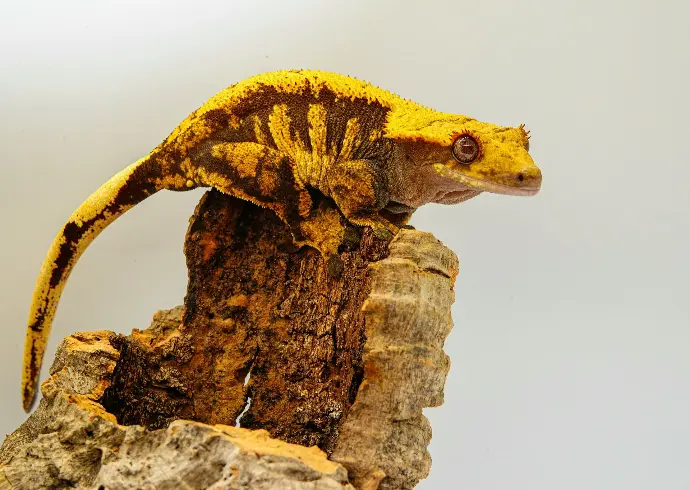
A terrarium for a ciliated gecko should be, first of all, high in order to give him space to climb. For one adult it is recommended terrarium with minimum dimensions of 45x45x60 cm (length x width x height). For couples or larger groups accordingly larger.
• Substrate: Coconut peat, sphagnum moss or sphagnum moss are the best substrates special substrates for tropical reptiles. It is important that the substrate is well kept it moist.
• Decor: The terrarium should contain numerous branches, limbs, lianas and living plants or artificial plants that will enable the gecko to climb and provide it with shelter. A bowl of water is also necessary.
• Heating and Lighting: Ciliated geckos prefer temperatures in the range 22-26°C during the day, with a slight decrease at night (to about 20°C). Should be avoided temperatures above 28-30°C, which may be harmful to them. For heating you can use a low power heating bulb or a heating mat placed on one of the walls of the terrarium (not under the ground to avoid overheating). Lighting UVB is not strictly necessary if your diet is appropriate supplemented with vitamin D3, but many breeders recommend using a weak one UVB lighting (2-5%) for several hours a day to support metabolism calcium. It is important to ensure a day and night cycle (approximately 12 hours of light).
• Humidity: Ciliated geckos require relatively high humidity air, at the level of 60-80%. The terrarium should be sprinkled regularly (once or twice times a day) to maintain appropriate moisture levels. It's also good provide the gecko with a moist hiding place, e.g. with sphagnum moss.
Feeding a ciliated gecko
The basis of the diet of ciliated geckos in captivity is specialized ready-made food of this species, available in the form of powder to be mixed with water. These foods are balanced and contain all essential nutrients, vitamins and minerals. The diet can be diversified by providing small amounts of food insects (e.g. crickets, cockroaches - small enough for the gecko to swallow them) and mature, soft ones fruit (e.g. banana, mango, papaya - without seeds and hard parts). Fruit belongs Serve in moderation, as an addition, not as the basis of the diet.
Young geckos are fed every day or every other day, adults 2-3 times a day week. It is important not to overfeed your geckos as this can lead to: health problems. Always ensure access to fresh water.
Behavior and Lifestyle
Ciliated geckos are animals with a gentle nature, although they can be shy, especially young individuals. Over time, they get used to human presence. They are active mainly at night, so it is best to observe them in the evening or at night. Within During the day, they usually hide in their hiding places or rest on branches.
They are not aggressive animals, but males kept together may become aggressive territorial behavior and fight with each other, so it is recommended to keep them singly or in harems (one male and several females).
Multiplication
Ciliated geckos reach sexual maturity at approximately 8-12 months of age. They are oviparous. The female usually lays two eggs every 4-6 weeks during the breeding season. Eggs bury in moist soil. Incubation of eggs at a temperature of 24-27°C lasts about 60-90 minutes days. After hatching, young geckos are miniature copies of adults they are independent immediately.
The most common health problems
Like other reptiles, ciliated geckos can be prone to certain problems health conditions such as: * Metabolic Bone Disease (MBD): Caused calcium and vitamin D3 deficiency. * Problems with molting: Often result from too low a temperature humidity. * Parasitic infections: May be caused by contact with infected people individuals or inadequate hygienic conditions. * Mechanical injuries: E.g. falls, trappings.
If you notice any disturbing symptoms, you should: consult a veterinarian specializing in the treatment of reptiles.
Summary
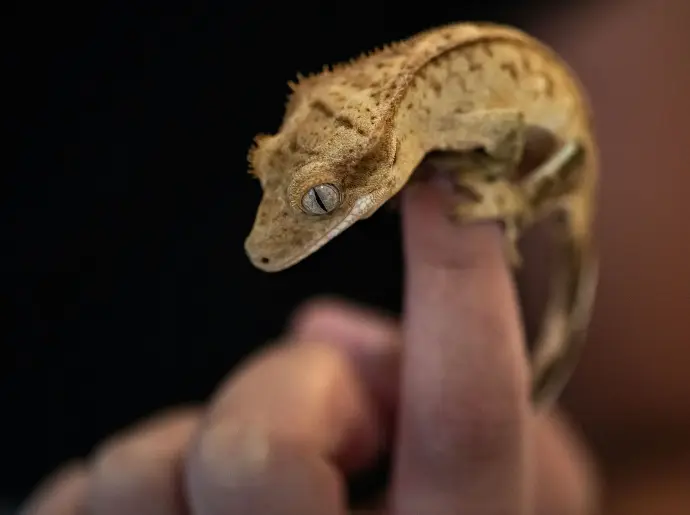
The ciliated gecko is an interesting and relatively easy to breed reptile that can become a great companion for terrarium lovers. Providing him with the appropriate ones environmental conditions, proper diet and regular care will allow you to enjoy his presence for many years. However, let us remember that every animal is a living being, which requires care and responsibility.
