


Spider Atlas | SpotMeUp
Spiders in Poland and exotic spiders in breeding - recognition, behavior, interesting facts
Spiders are everywhere: in gardens, forests, basements and... in the terrariums of enthusiasts. Some are inconspicuous and useful, others delight with their colors, and still others arouse respect with their size. This SpotMeUp atlas organizes the world of spiders in a practical and friendly way: from species found in Poland to the most popular exotic species bred at home.
How to use the atlas
Choose what interests you:
Spiders in Poland – house, garden, meadow, forest
Exotic spiders in breeding – tarantulas and other popular species
Safety and myths - what is true and what I'm afraid of "from the Internet"
FAQ – quick answers
SpotMeUp tip: If you want to start your adventure with terrariums or join local meetings of enthusiasts, add the "Spiders / terrariums" tab in SpotMeUp and search for communities and events in your city.
A spider is not an insect - a mini recognition guide
The easiest? The spider has 8 legs and the insect has 6. Plus:
spiders don't have antennae like insects,
they often have clearly visible spinnerets "at the end of the abdomen" (not always),
many species build webs, but some actively hunt (e.g. fire spiders - so-called wolf spiders).
Why are spiders useful?
Because they reduce insect populations (including those that are bothersome in the home). In the ecosystem, they are like silent security guards: they operate all season long.
Safety – myths and facts about spiders
Myth: "All spiders in Poland are dangerous."
Fact: The vast majority of them are harmless to humans, and bites are rare - spiders run away more often than they attack.
Myth: “Spiders attack people.”
Fact: Spiders do not "hunt" humans. They only defend themselves when they are pinned down, captured or have no escape.
Rule of thumb (no stress):
don't catch a spider with your bare hand,
if it is at home - glass + card and take it outside,
If any disturbing symptoms appear after the bite (severe swelling, shortness of breath, allergic reaction) - consult a doctor.
Spiders in Poland – species index
Below are the most common and most interesting "faces" of Polish spiders. Each description is written so that it is possible to:
recognize it quickly, 2) know where it occurs, 3) understand the behavior.
1) House and "around-the-house" spiders
The caecilian beetle (Eratigena atrica – group of caecilians)
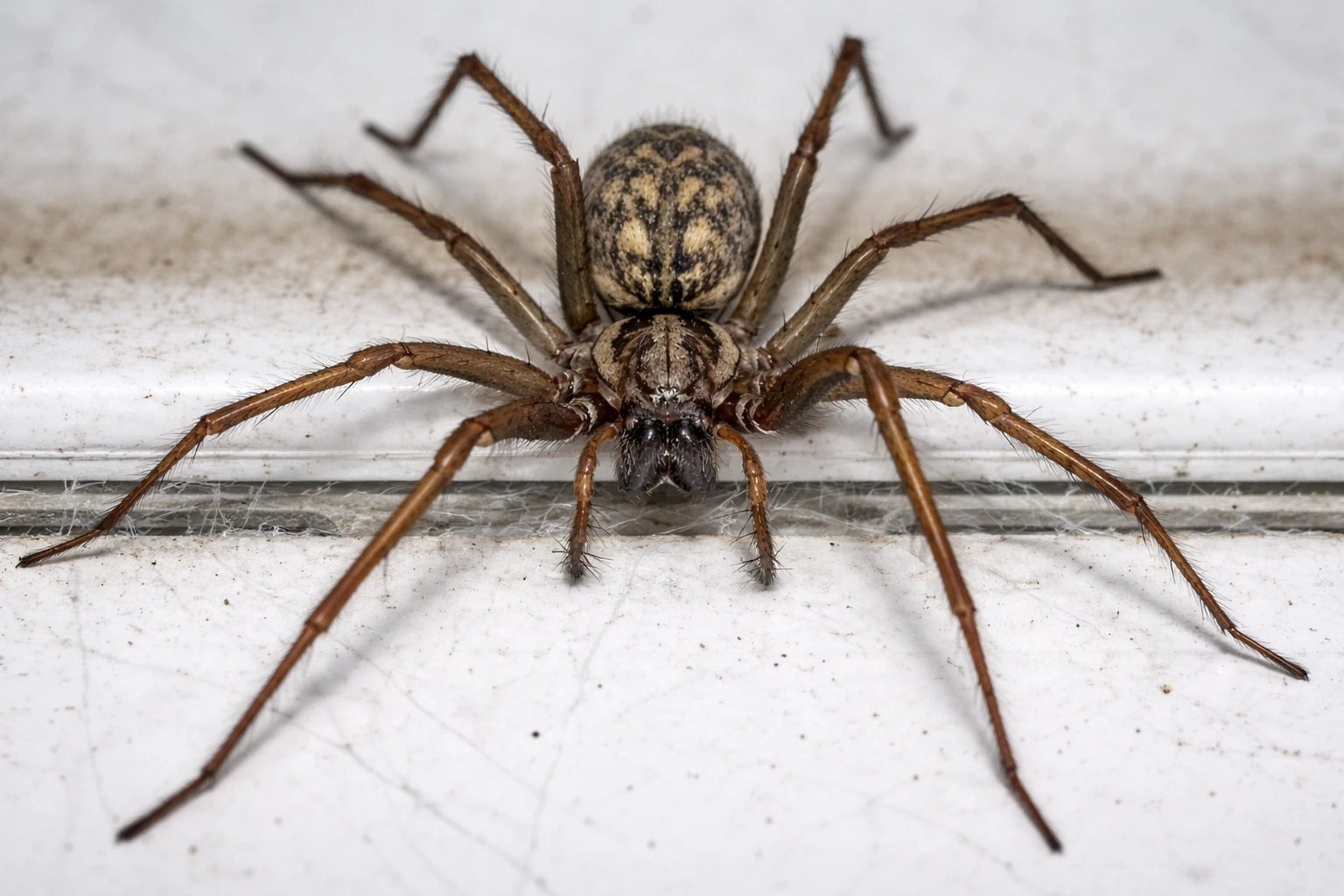
How will you meet him: large, long-legged, fast, often visible in apartments in autumn.
Where you will find: Basements, garages, corridors, corners near the floor.
Behavior: doesn't like light, can disappear under furniture in a sprint (hence the "household panic").
Is dangerous: usually not - it's better to carry it out than to try to catch it in a hurry.
Interesting fact: Males wander more often (looking for females), which is why we see them more often.
Spider with long legs (Pholcus phalangioides)
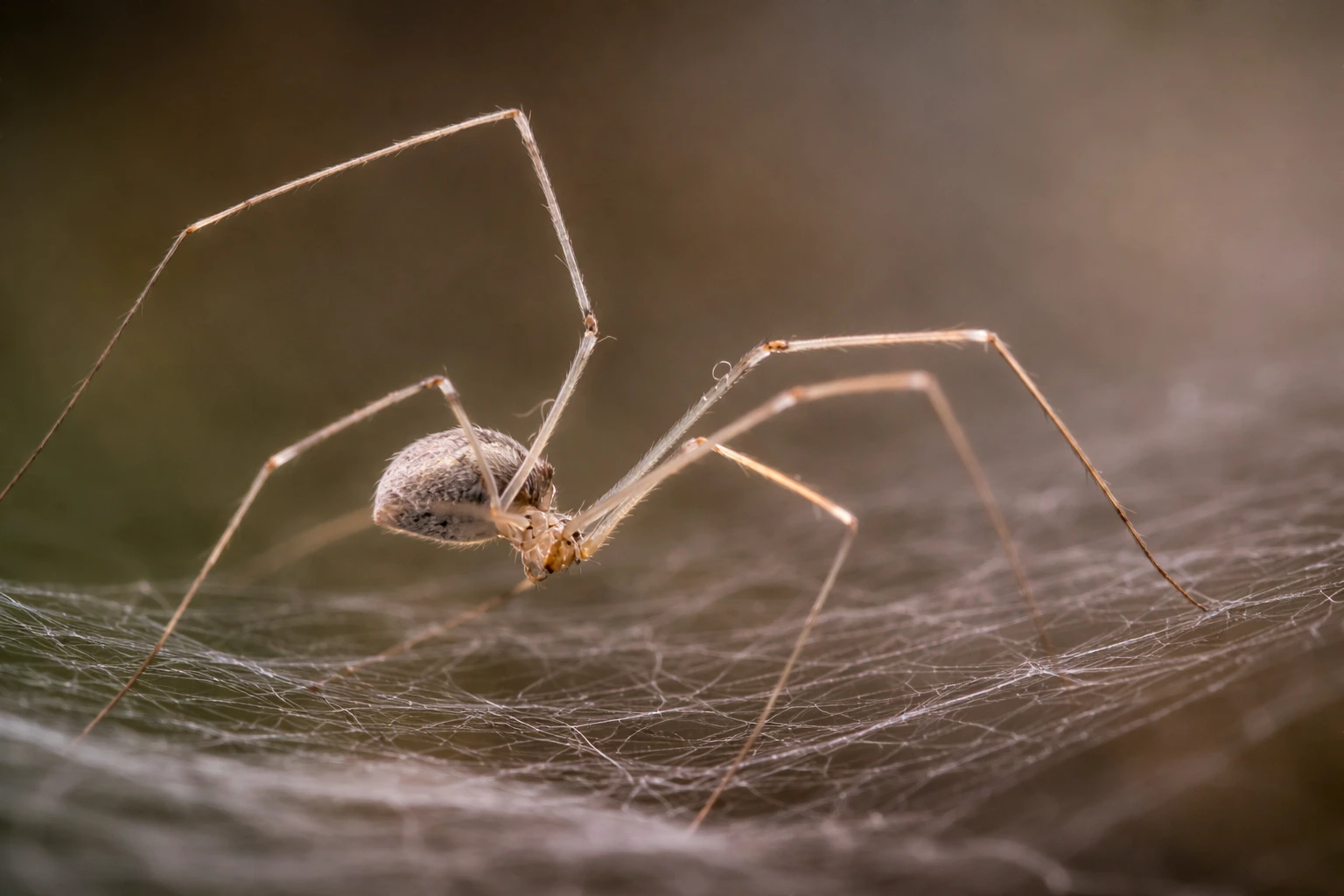
How to meet him: very long, thin legs, small body; sits in the corner of the ceiling.
Where you will find: bathrooms, kitchens, staircases.
Behavior: Rocks on the web when anxious.
Plus for the home: It can hunt other small insects and spiders.
2) Garden and meadow spiders
Araneus diadematus
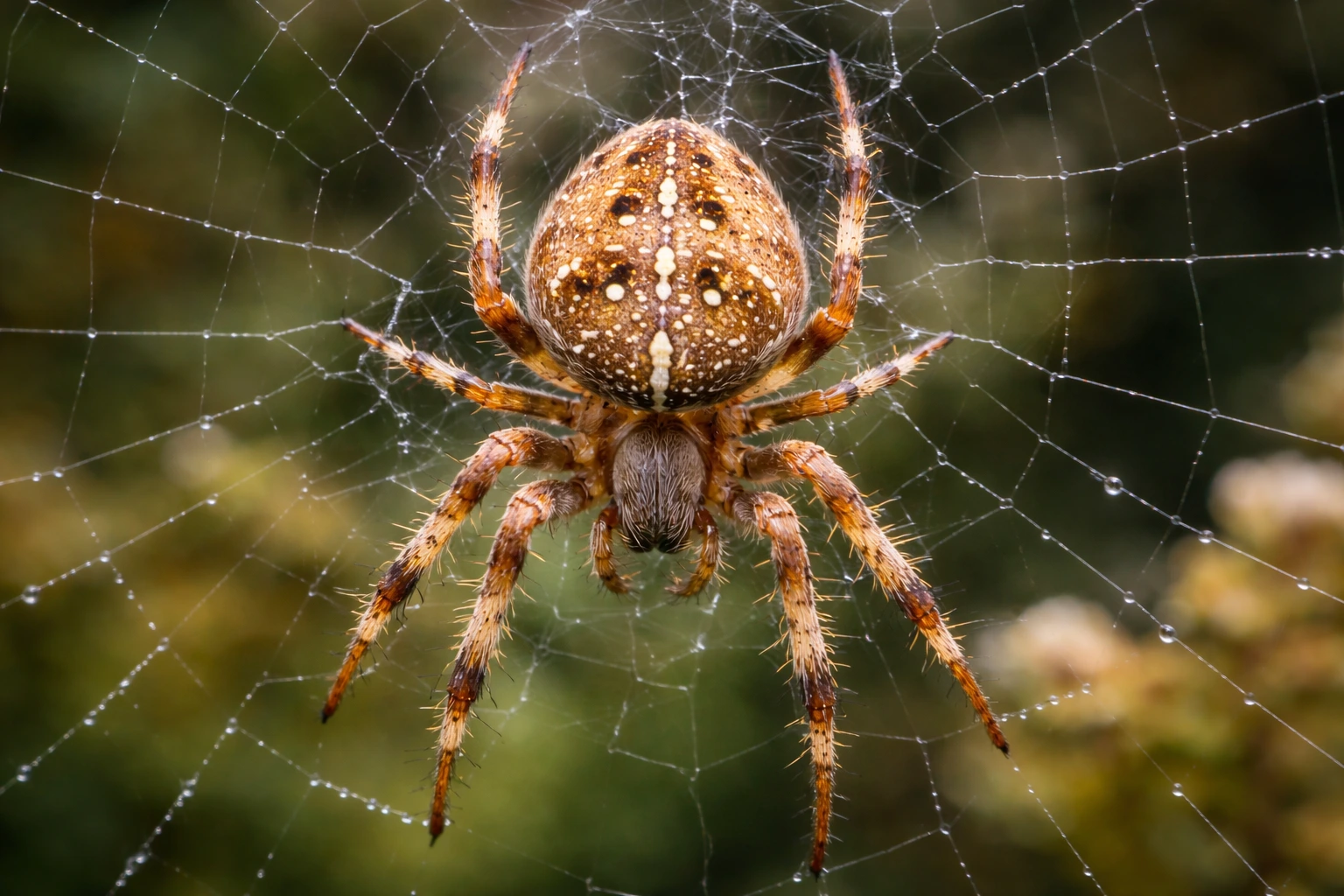
How will you meet him: a classic large net in the garden + a bright "cross" on the abdomen.
Where you will find: gardens, parks, hedges, balconies.
Behavior: network master; usually sits in the center or in the "hideout" nearby.
Interesting fact: His network is "repaired" even several times a week.
Striped argiope (Argiope bruennichi)
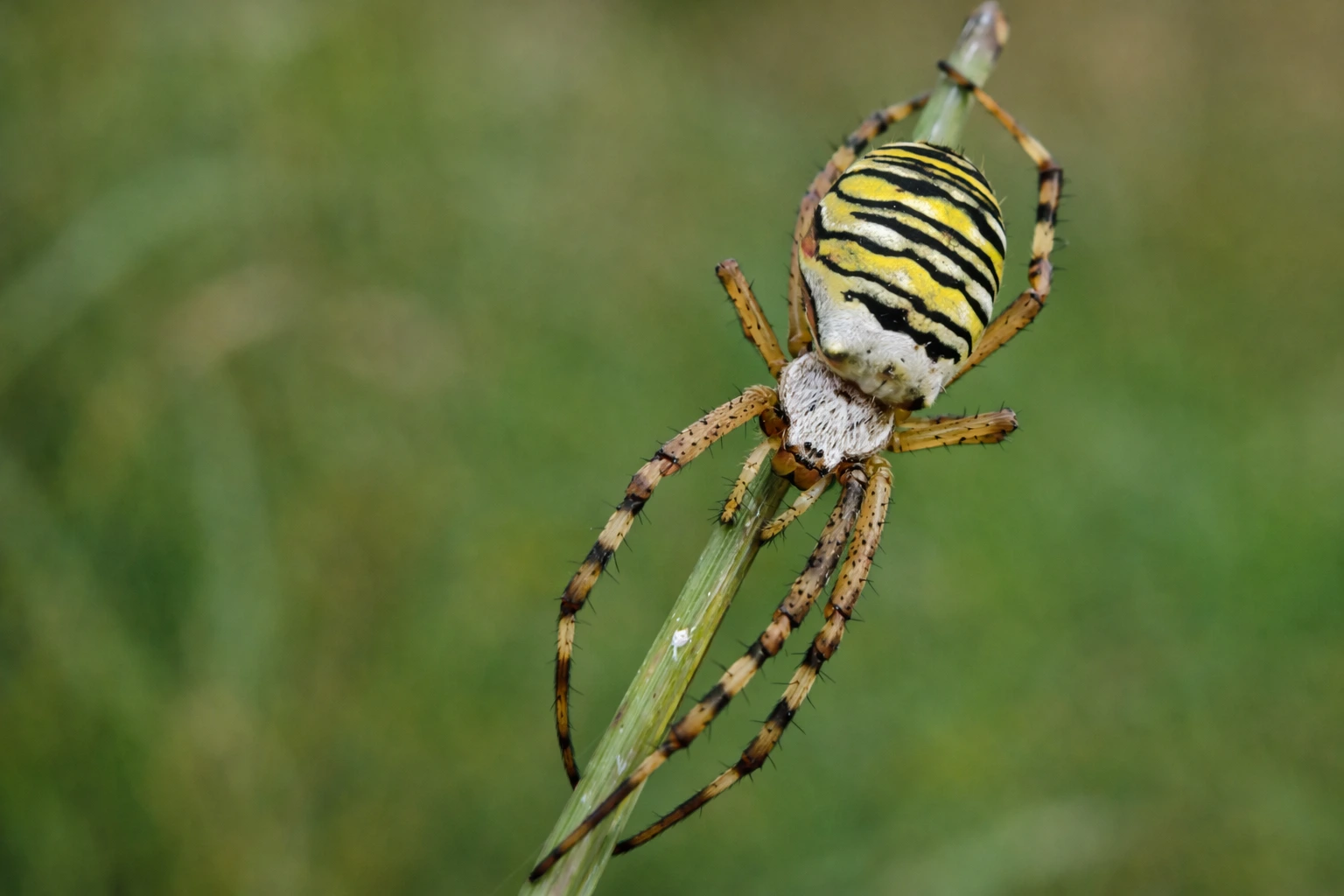
How to recognize him: yellow and black stripes like "tiger"; often visible in meadows.
Where you will find: sunny meadows, tall grass, field edges.
Behavior: sits on the web, often with a characteristic "zigzag" reinforcement.
Wow effect: looks exotic, and this species is becoming more and more common in Poland.
Pisaura mirabilis
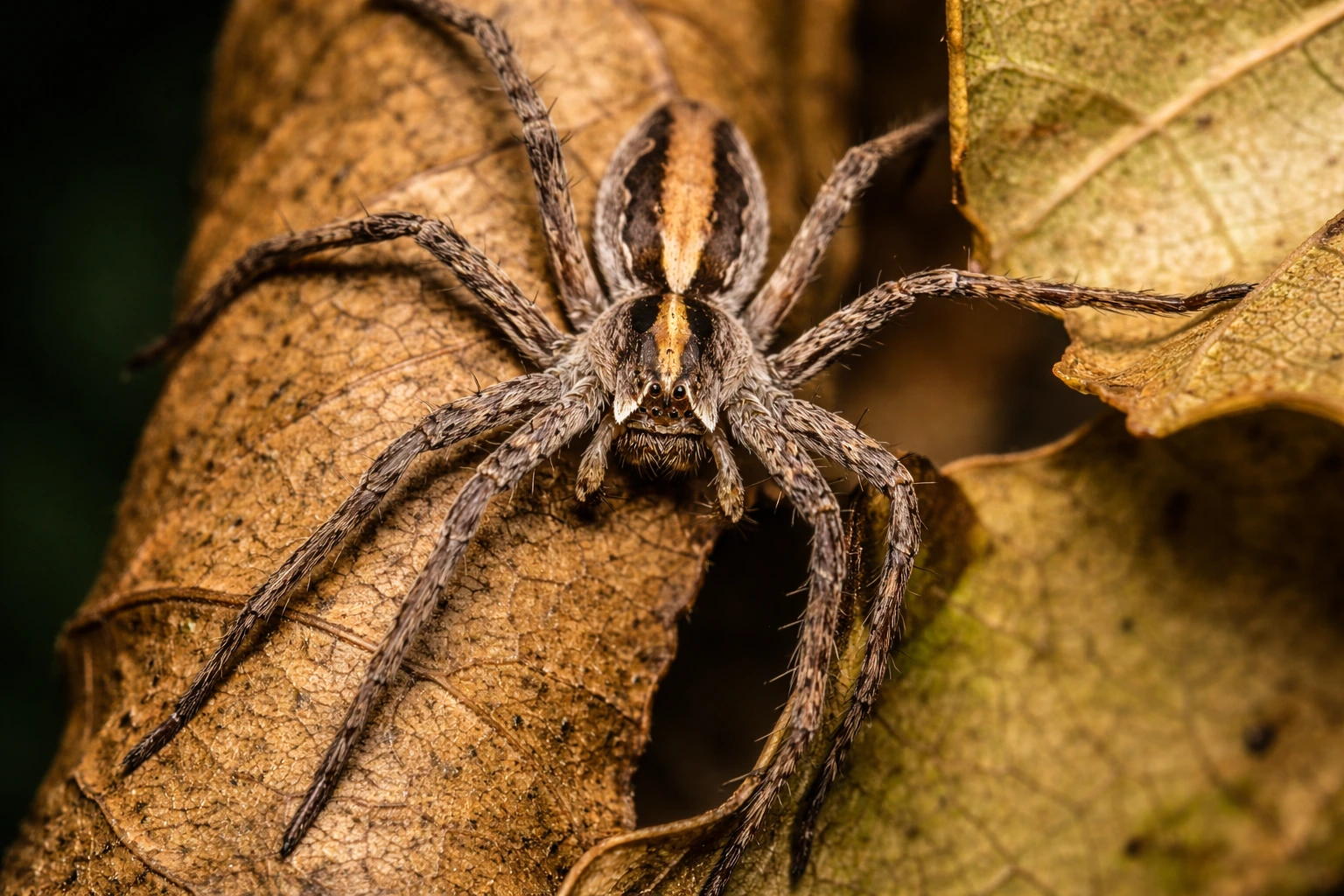
How you will recognize him: Slim, "hunting" appearance, often off the grid.
Where you will find: bushes, gardens, meadows.
Behavior: hunts actively.
Interesting fact: In this type of spiders, "courtship" behavior is observed with a gift (hence the colloquial associations with the "giver").
3) Active spiders - they do not sit in the web
Skakun (Salticus scenicus – “skakun arlekinowy”)
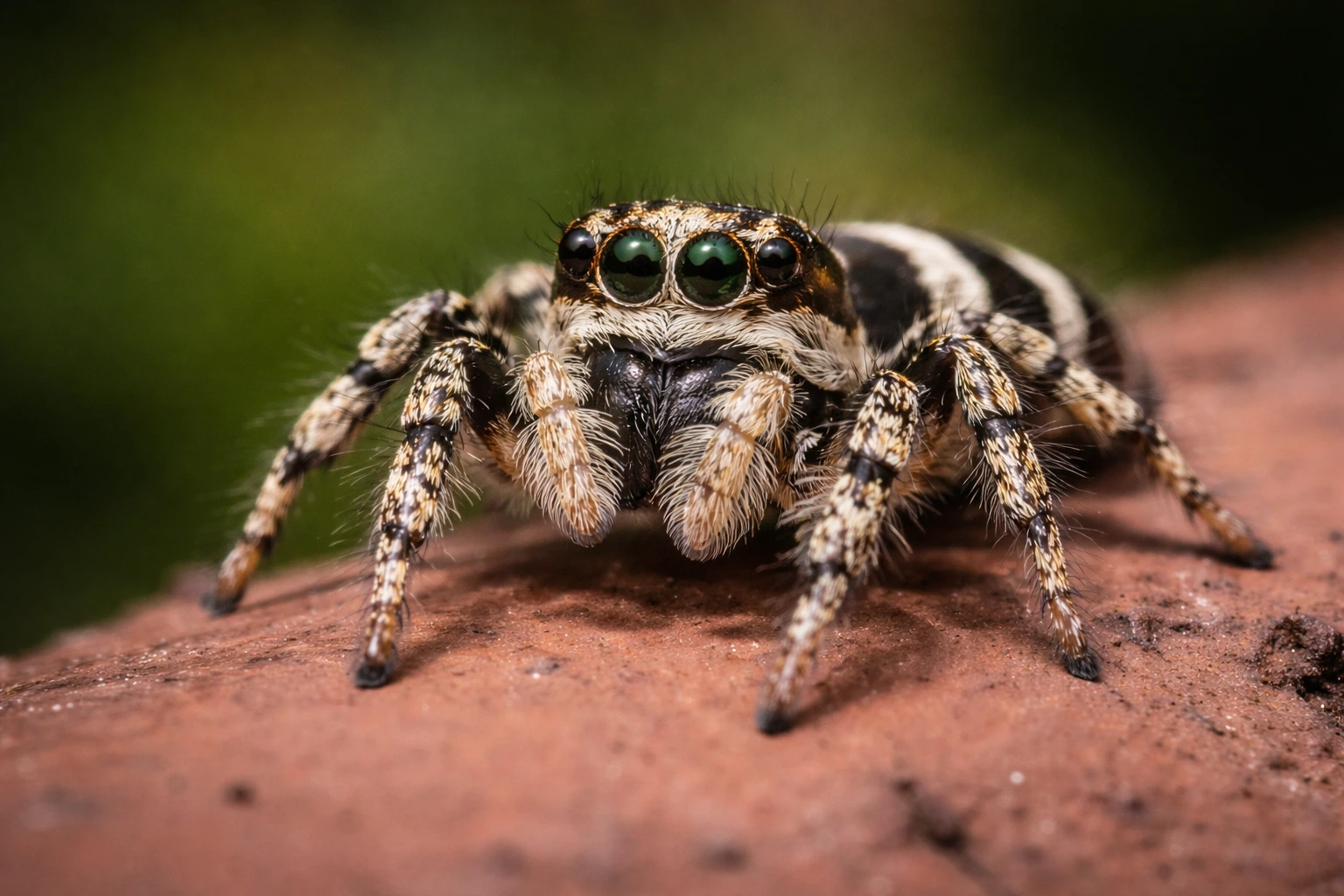
How you will recognize it: small, stocky, "curious", often on the walls of sunny buildings; he has great eyesight.
Where you will find: facades, fences, window sills, balconies.
Behavior: Jumps, watches, approaches like a mini-cat.
Why people like them: They are "photogenic" and less intimidating than larger species.
Hound spiders (Pardosa - so-called wolf spiders)
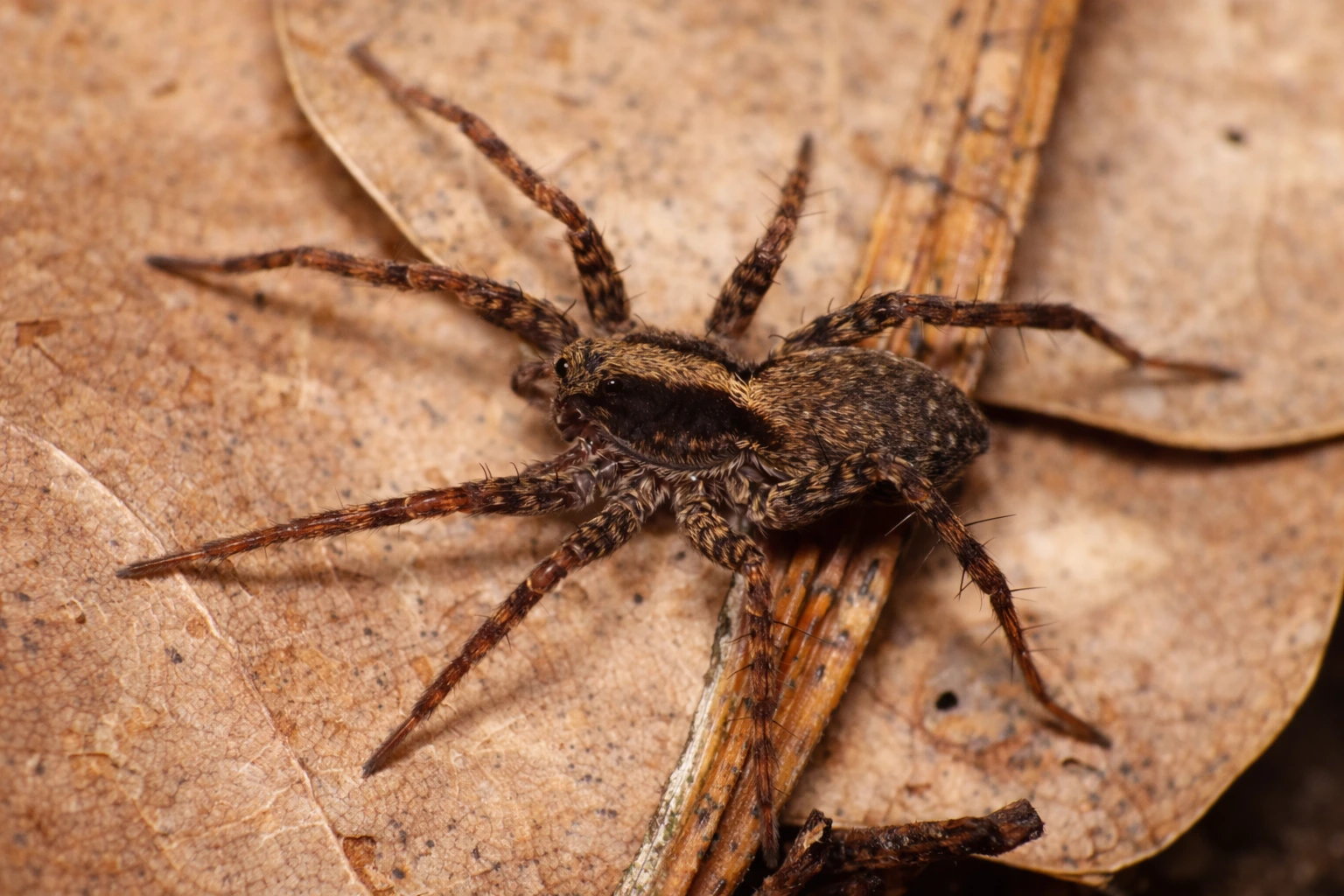
How to recognize them: they run on the ground, often in the grass; they don't wait online.
Where you will find: meadows, forest edges, gardens.
Behavior: dynamic, they hunt like sprinters.
Interesting fact: In some species, the female carries a cocoon with eggs.
4) Species worth knowing about (because they raise questions)
Kolczak (Cheiracanthium punctorium)
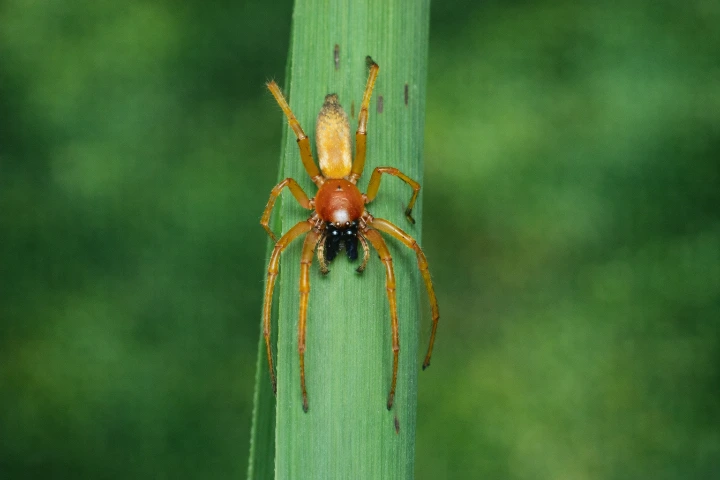
Why it's in the atlas: It is sometimes described as one of the species whose bite may be more painful than that of typical domestic spiders.
What to do: do not provoke, do not grab; in case of ailments - observation and medical consultation if the symptoms are severe.
Exotic spiders in breeding – species index
In breeding, you will most often encountertarantulas (Theraphosidae)and the increasingly popularjumpings. Below is a list selected so that the user can quickly select the "entry level" - from easy to more demanding.
How to choose a spider for breeding (3 criteria that really matter)
Tempera (calm vs. nervous)
Lifestyle (terrestrial / arboreal / burrowing)
Difficulty level (error-resistant vs. sensitive)
Ethically important: do not take spiders from nature. Choose individuals from legal, breeding sources.
A) Tarantulas for beginners (calmer, "forgiving")
Grammostola pulchripes (Chaco golden knee)
Why people choose it: calm, attractive, grows to a nice size.
Lifestyle: terrestrial.
What you will see in the terrarium: frequent "walks", sometimes digging the ground.
Brachypelma hamorii (mexican redknee)
Why popular: A classic of terrariums, great appearance, often recommended for beginners.
Lifestyle: terrestrial.
Practical note: Many tarantulas defend themselves by brushing out stinging hairs - this is not an "attack", but a defensive reaction.
Aphonopelma chalcodes
Lifestyle: Terrestrial, usually peaceful.
For whom: for people who prefer less "explosive" behavior and a more sedate pet.
B) Impressive and spectacular (for intermediate users)
Chromatopelma cyaneopubescens (Greenbottle Blue / GBB)
What impresses: contrasting colors and a huge amount of spider webs in the arrangement.
Lifestyle: Semi-terrestrial, "spider-web architect".
For whom: For those who want to watch network construction and activity.
Caribena versicolor
What delights: beautiful colors (especially in young people).
Lifestyle: arboreal.
Important: Arboreal species require good ventilation and well-thought-out conditions - it is worth sticking to proven breeding standards.
C) Demanding species (for advanced users, with caution)
Poecilotheria (np. P. regalis)
Why "for advanced": Fast, defensive, more stressful to use.
Rule: minimize manipulation, focus on safety and peace.
Psalmopoeus irminia
Advantage: beautiful contrast, dynamic behavior.
Risk: can be fast and timid - requires experience and a well-secured terrarium.
D) An alternative to tarantulas: jumping jacks (a hit in recent years)
Phidippus regius (skakun królewski)
Why people love him: sociable for a spider, great eyesight, "personality".
For whom: perfect if you want to observe behavior and hunting "up close" without a large terrarium.
Content advantage: Skakuny make great short videos - great for SpotMeUp social media.
FAQ – most frequently asked questions about spiders
Are spiders in Poland poisonous?
Spiders have venom to incapacitate their prey, but most native species pose no real threat to humans. Most often, the problem is fear and panic, not the spider.
What to do if a spider is in the house?
The easiest way: glass + piece of paper, take it outside. Seal the gaps, limit insects (food on the outside, light with an open window) and there will be fewer visits.
What exotic spider to start with?
In practice, calmer, resistant species and "safety" breeding work best: minimal manipulation, stable conditions, proven source.
Do spiders "have a purpose"?
Yes – these are natural insect reducers. They are an ally in the garden.
Do you have a photo of a spider in your house or garden and want to recognize it? Or maybe you are planning your first terrarium?
Visit SpotMeUp - join the community, post a photo, talk to enthusiasts and find meetings in your area.
