


A Comprehensive Guide for Every Complexion i Skin Tone
Introduction: The Foundation of Perfect Makeup and Confidence Myself
In the world of makeup, foundation plays an absolutely fundamental role. He is the one who creates the canvas, on which we paint the rest of our image, evens out the color and masks imperfections and, most importantly, can significantly affect our well-being and self-confidence. However, there is a way to find that one, perfect foundation winding and full of traps. Wrong shade, inappropriate formula or incorrectly selected the degree of coverage can ruin all the effort put into makeup and even emphasize the fact that what we would like to hide.
At SpotMeUP, we believe that taking care of yourself and emphasizing your natural beauty is an important element of everyday life. We want to help you not only in finding unique places and service providers who will make you feel good, but also provide knowledge that will help you make informed choices. That's why we have prepared this comprehensive guide that will guide you step by step through the process of selecting the perfect foundation, taking into account the specificity of the Polish market and the latest trends for 2025. Whether you're just starting yours adventure with makeup, whether you are already an experienced cosmetics lover, this one guide will help you discover the secret of flawless skin.
Step 1: Get to know your skin - the key to success
Before you start browsing the shelves in the drugstore, you need to know exactly what your needs are skin. This is the absolute basis without which it is impossible to choose the right foundation lottery. Let's focus on two key aspects: skin type and skin tone (a more precisely – it will sink).
Understanding Your Skin Type
Each skin is different and requires an individual approach. A foundation that's great works for your friend, it won't necessarily be right for you. Here it is the most common skin types and their characteristics:
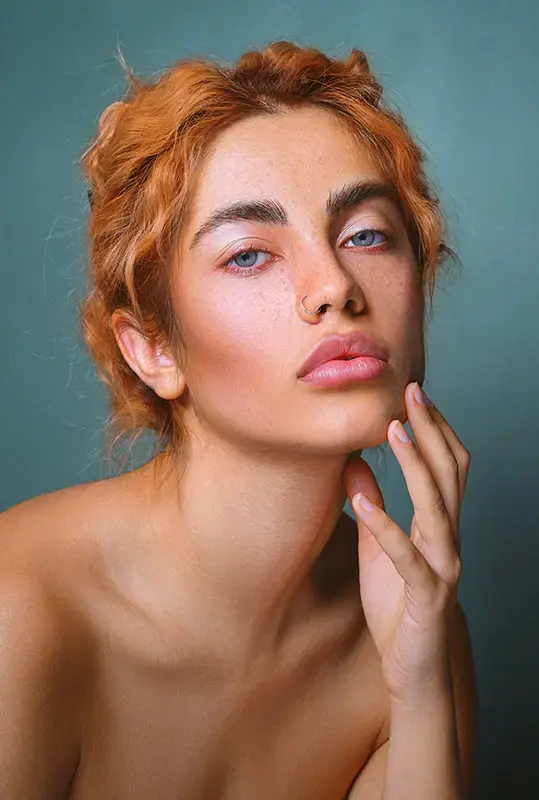



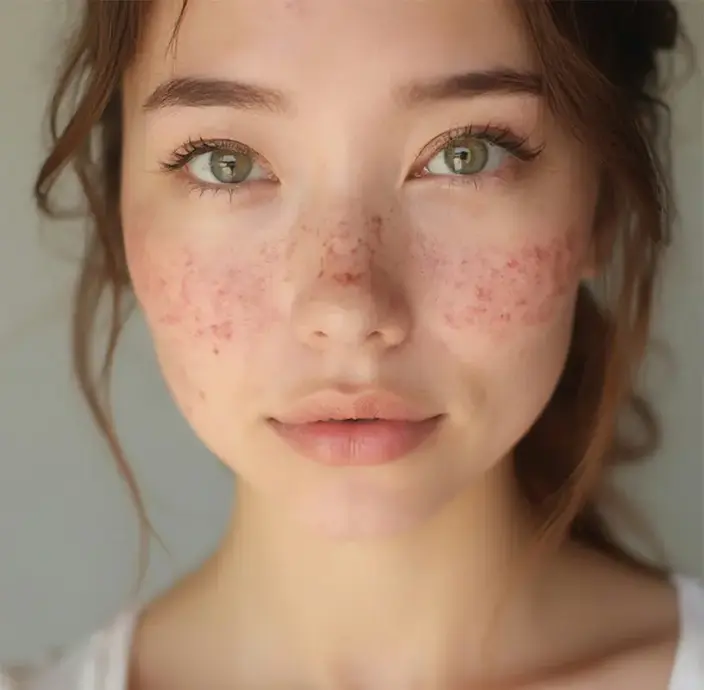
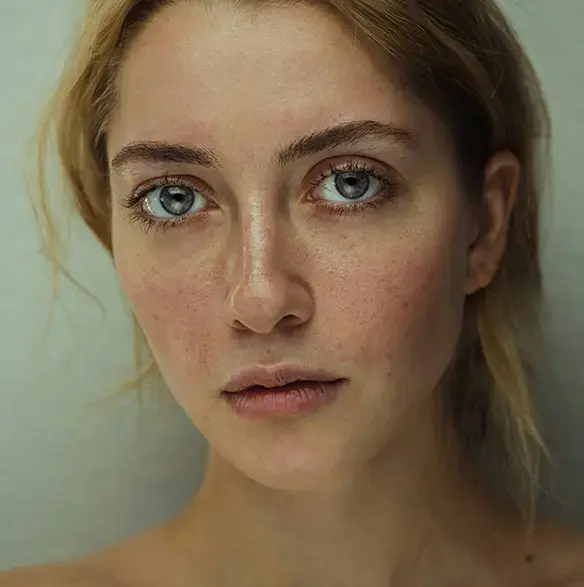
Normal skin:
This is the perfect type - balanced, neither too dry nor too oily. Pores are hardly visible and the skin rarely causes problems. People with normal skin they have the largest selection of foundations, but it is worth looking for formulas that will highlight your skin natural glow.
Dry skin:
It is characterized by a feeling of tightness and often peels off
matte and lacking shine. It may be sensitive and prone to irritation.
I need foundations with moisturizing, creamy properties, often o
illuminating or satin finish.
Oily skin:
It produces excessive sebum, which makes it shiny,
especially in the T zone (forehead, nose, chin). Tends to enlarged pores,
blackheads and pimples. Mattifying, oil-free foundations will be perfect for her
(oil-free), with extended durability, which control sebum secretion.
Combination skin:
It is a combination of the characteristics of oily and dry/normal skin. Most often becomes oily in the T-zone while the cheeks remain normal or dry. It requires a clever approach - you can use balancing foundations, semi-matte or apply different formulas to individual parts of the face.
Cera wrażliwa:
It reacts with redness, burning and itching to many things factors, including cosmetics. It often accompanies dry skin. Requires primers hypoallergenic, fragrance-free, alcohol-free and potentially other products irritating ingredients. Mineral foundations are often a good choice.
Mature skin:
With age, the skin loses elasticity, wrinkles appear, discoloration and the hydration decreases. I need light, moisturizing foundations, often with the addition of anti-aging ingredients (e.g. peptides, vitamins). Heavy, Mattifying formulas may highlight wrinkles.
How to determine your skin type? Monitor your skin throughout the day. What does it look like in the morning, a how was the evening? Does it shine quickly? Do you feel tightness after washing? You can too perform a simple test with mattifying tissue - apply it to different parts of the face for several hours after washing and see where sebum collects.
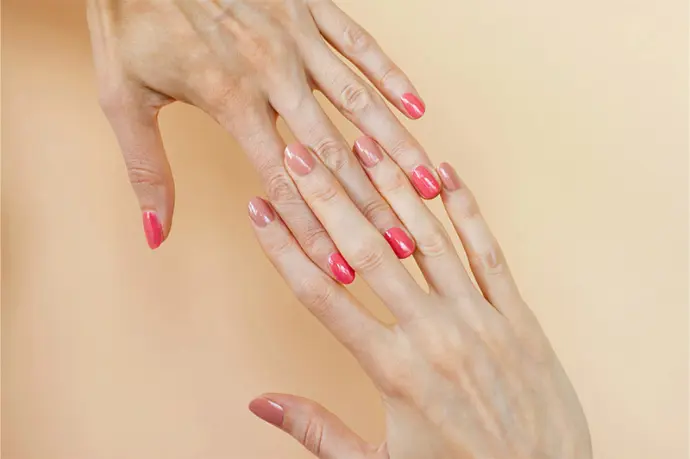
The Secret of Skin Tone
Choosing the right shade of foundation is not only a matter of brightness, but above all
all matching your skin tone. It is he who decides whether there will be a foundation
look natural or create a mask effect. There are three main overtones:
Cool:
The skin has a pink, reddish or bluish tint. People with cool undertones often look good in silver jewelry and clothes in cool colors (blues, purples). The veins on the wrist appear blue. The skin burns easily from the sun.
Warm:
The skin has golden, yellowish or peach tones. Fits better
gold jewelry and warm colors of clothes (orange, brown, olive green). Veins on
the wrist have a greenish tint. The skin tans golden-brown.
Neutral (Neutral):
It is a mixture of cool and warm tones. Fits both silver and gold jewelry. It is difficult to clearly determine the color of the veins (they may be blue-green). The skin tans gradually
How to determine your undertone?
Jewelry test: Stand in natural light and alternately place silver and silver pieces on your face gold jewelry. Which one makes your skin look more radiant?
White sheet test: Place a clean white sheet of paper against your face. If the skin appears pinkish – you have a cool undertone. If yellowish/peachy – warm. If difficult to determine – probably neutral.
Vein Observation: Look at the veins on the inside of your wrist in a natural setting light.
Knowing your skin type and undertone is your compass in the world of foundations. Step 2: Select Formula, Coverage and Finish
The market offers a huge variety of foundations. Choosing the right formula, the level of coverage and finish depends on your skin type, preferences and effect you want to achieve.
Types of Foundations (Formula)
• Liquid foundations: The most popular, available in many variants (from light to highly covering, from mattifying to illuminating). Easy to apply, suitable for most skin types (depending on the specific formula).
• Cream foundations: Thicker, often with medium or full coverage satin or illuminating finish. Good for normal and dry skin mature. They may be too heavy for oily skin.
• Compact/Pressed Powder: Powder and foundation in one. They provide a matte finish and light to medium coverage. Perfect for corrections during the day and for oily or combination skin. They can emphasize dry skin skins.
• Mineral/Loose Powder: Usually natural composition, gentle to the skin. They provide light to medium coverage and natural finishing. Recommended for sensitive, acne and oily skin.
• Stick foundations (Stick): Creamy, highly pigmented, medium coverage for full coverage. Convenient for traveling and for contouring. They may require good grinding.
• BB, CC, DD creams: Lighter alternatives to foundation. BB creams (Blemish Balm/ Beauty Balm) combine light coverage with care and often SPF. CC creams (Color Correcting) additionally correct the color (e.g. redness, sallowness). Creams DD (Daily Defense/Dynamic Do-All) focus on protection and anti-aging. Perfect for everyday use, for people who value a natural effect.
• Tinted Moisturizer: A moisturizing cream with a hint of pigment. It gives a very light feel coverage and a natural, luminous finish. Perfect for dry and normal skin, when we only need to slightly even out the color.
Opacity Degree
Lekkie (Sheer/Light):
It gently evens out the color, but does not cover freckles or freckles larger imperfections. It gives a natural effect and a "second skin". Perfect for everyday use, for people with good skin or who prefer natural skin look.
Medium:
It covers minor imperfections and evens out the skin tone
leaves a natural look. The most frequently chosen level of coverage, universal for
most occasions.
Full:
Covers most imperfections, discolorations, redness. It gives the effect of a uniform, perfect complexion. Perfect for special occasions and sessions photos when we want to look flawless.
Buildable:
Foundations whose coverage can be graduated from light to full by applying subsequent layers. They provide the greatest flexibility.
Finish
Matte:
No shine, controls sebum. Perfect for oily skin and mixed. It can highlight dry skin and wrinkles.
Półmatowe (Semi-matte/Demi-matte):
The golden mean - it's not shiny, but it's not completely matte. Universal, suitable for most skin types.
Satin:
Delicate, subtle shine. A natural finish that doesn't it is neither matte nor illuminating. Good for normal and combination skin.
Natural:
Imitates the natural appearance of healthy skin. Neither is it too matte and not too bright. Universal.
Illuminating (Dewy/Luminous):
Gives the effect of fresh, moisturized skin delicate glow. Perfect for dry, normal and mature skin. Maybe highlight imperfections and be excessively shiny on oily skin.
Glow/Radiant:
Intense shine, often with particles
illuminating. Gives the effect of radiant, "glass" skin. Best for the complexion
dry and normal, for special occasions.
How to Choose a Formula for Your Skin Type?
For dry skin:
* Look for moisturizing, creamy foundations with expressions
"hydrating", "moisturizing", "dewy", "luminous"
* Avoid matte, long-lasting
formulas that may additionally dry out
* Good ingredients: hyaluronic acid,
glycerin, vegetable oils, vitamin E
* Recommended formulas: liquid, cream, tinted
moisturizer, BB/CC creams
For oily skin:
* Choose mattifying, oil-free foundations with the terms "matte", "oil-
control", "long-lasting"
* Avoid highly illuminating, oil formulas
* Good
ingredients: salicylic acid, zinc, kaolin, silica
* Recommended formulas: mattifying
liquid, mineral, compact
For combination skin:
* The best foundations will be balancing, semi-matte foundations with definitions
"balanced", "semi-matte" * You can use different formulas for different parts of the face
*
Good ingredients: niacinamide (regulates sebum secretion), light substances
moisturizing * Recommended formulas: liquid with a semi-matte finish, mineral
For sensitive skin:
* Choose hypoallergenic, fragrance-free, alcohol-free foundations,
parabens and other potential allergens
* Search for the terms "hypoallergenic", "for
sensitive skin", "fragrance-free"
* Good ingredients: aloe, bisabolol, panthenol, ingredients
soothing
* Recommended formulas: mineral, BB creams for sensitive skin
For mature skin:
* Choose moisturizing, light foundations with "anti-
aging", "lifting", "firming"
* Avoid heavy, matte formulas that can emphasize
wrinkles
* Good ingredients: peptides, hyaluronic acid, vitamins, antioxidants
*
Recommended formulas: light liquid, serum-foundation, creamy with a satin finish
